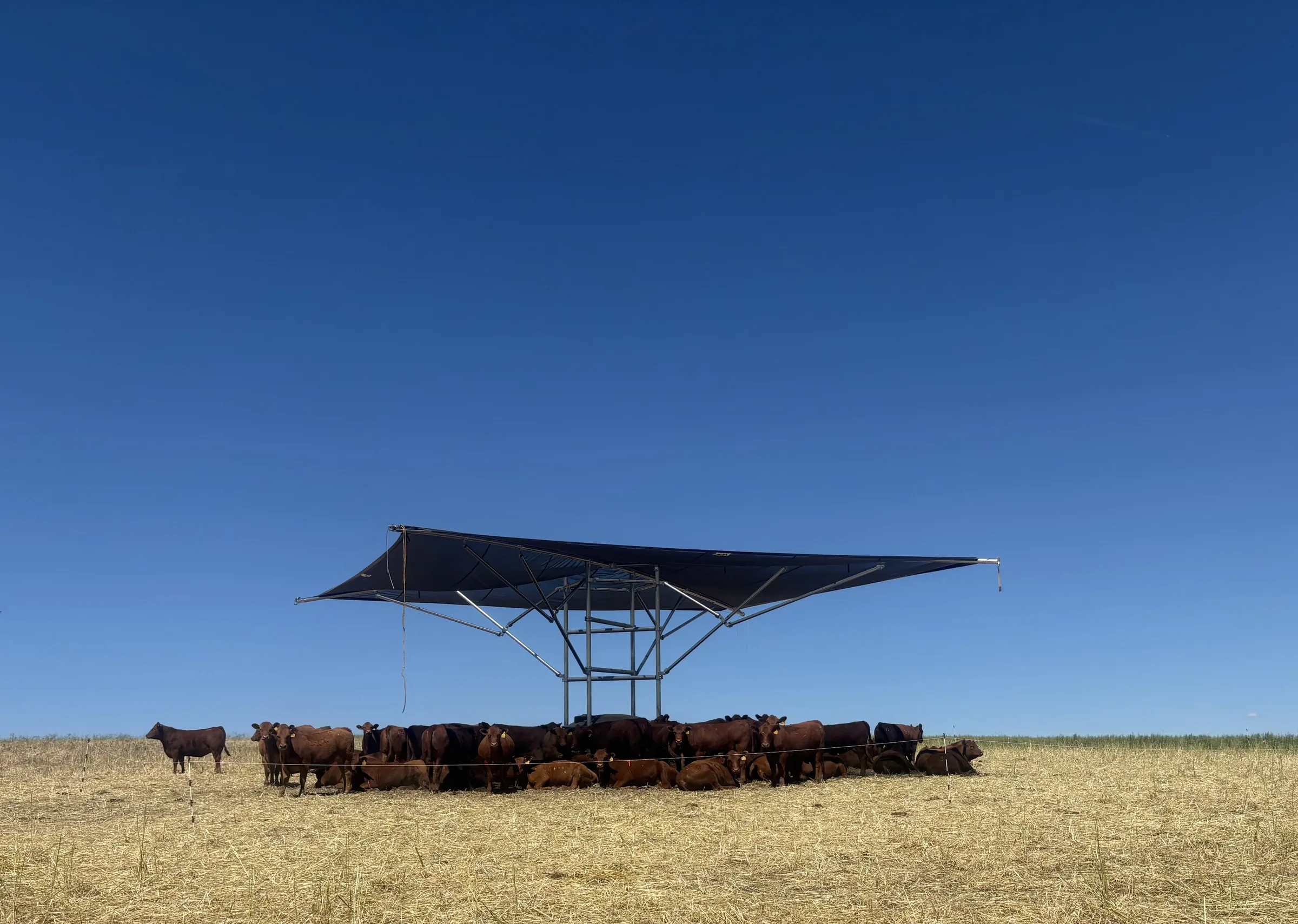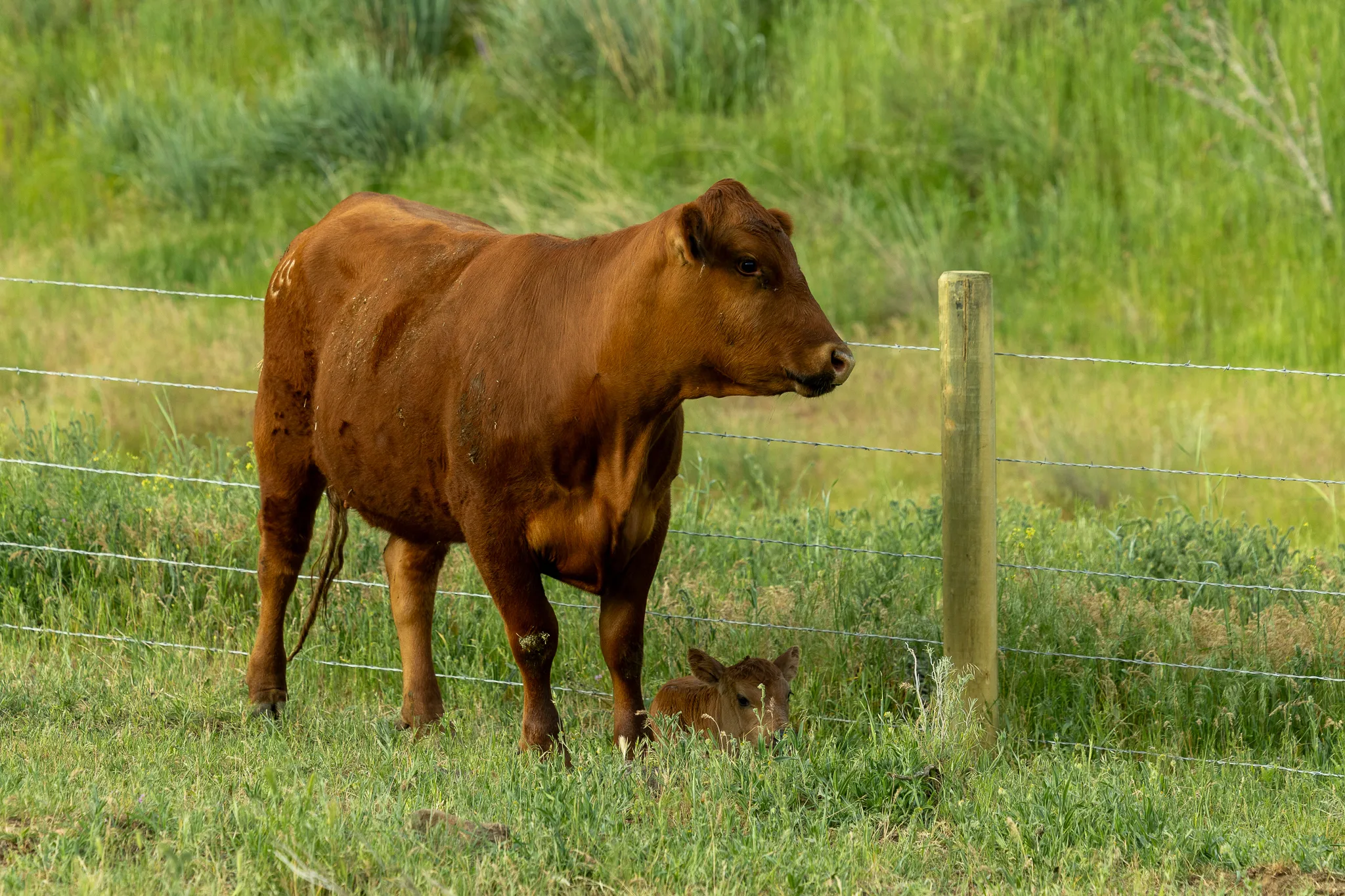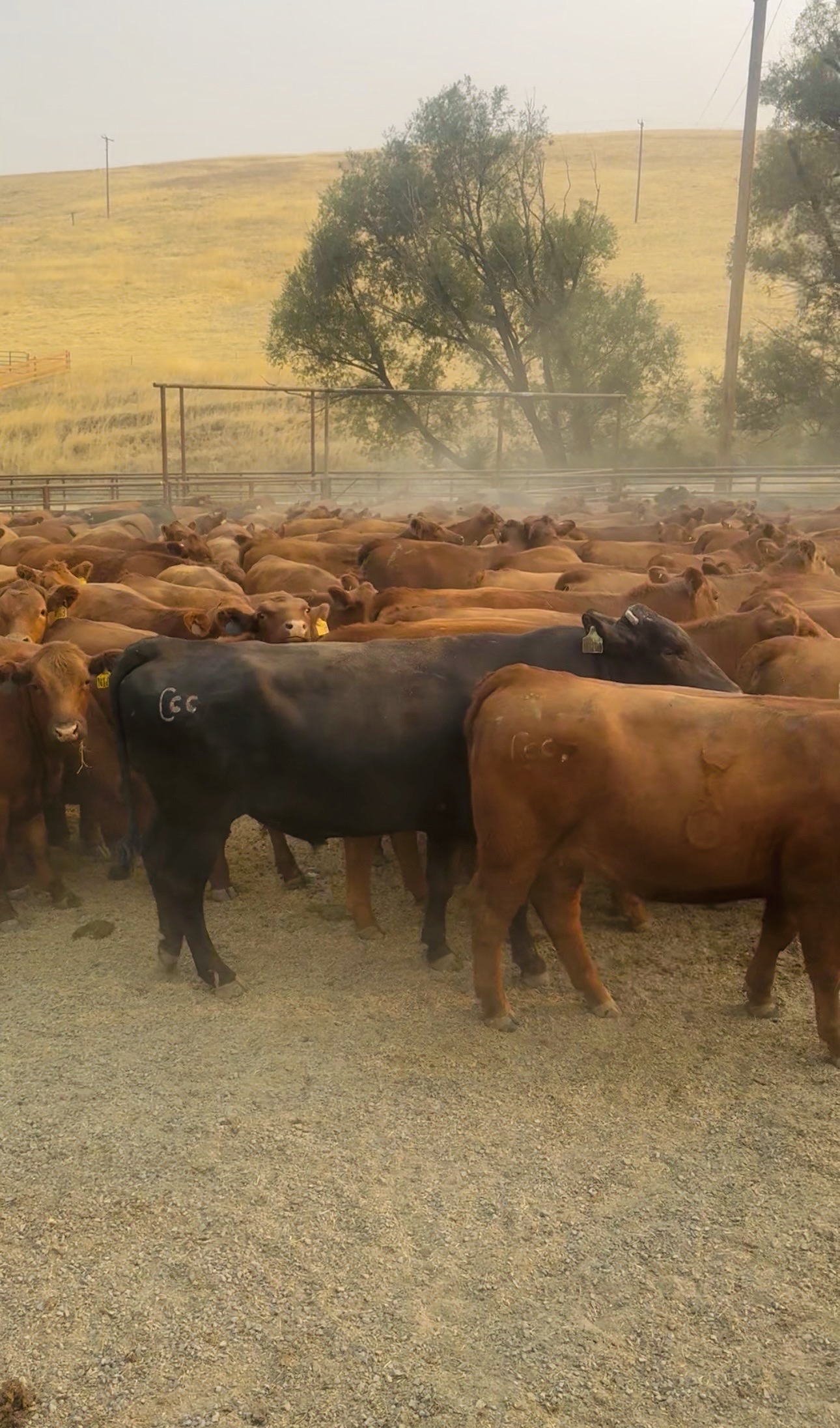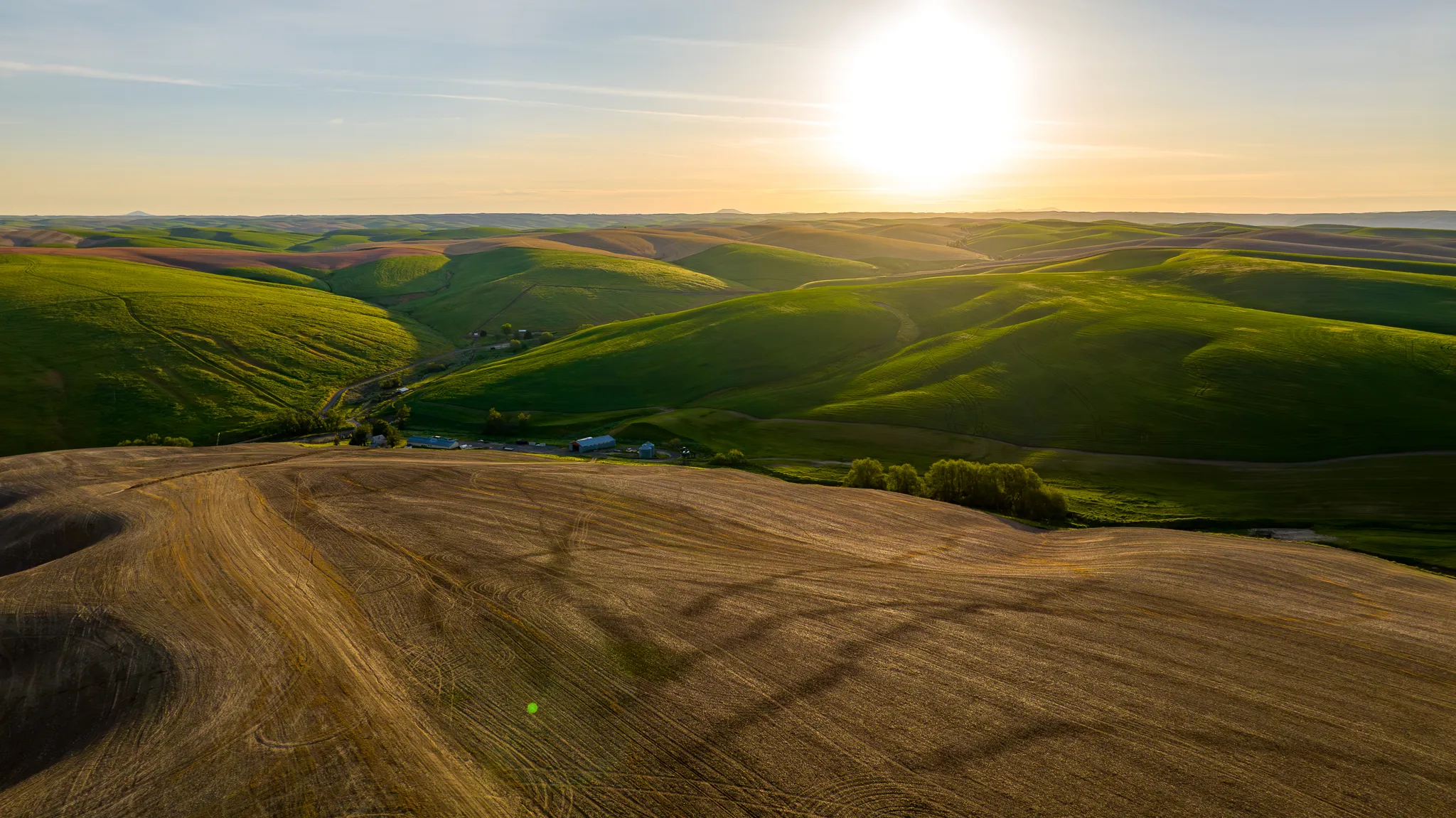
Ranch management decisions are made on a timescale longer than any one operator's tenure. Century Cattle Co. evaluates practices by their effect on the ground decades out, not by the current season's return.
The fencing, water infrastructure, and grazing history on a ranch were set by people who are no longer here, and the condition of the ground today reflects those choices. The same applies going forward: decisions made now determine what the place looks like in forty years.
A practice that returns value this season but degrades the resource later is treated as a cost rather than a gain.
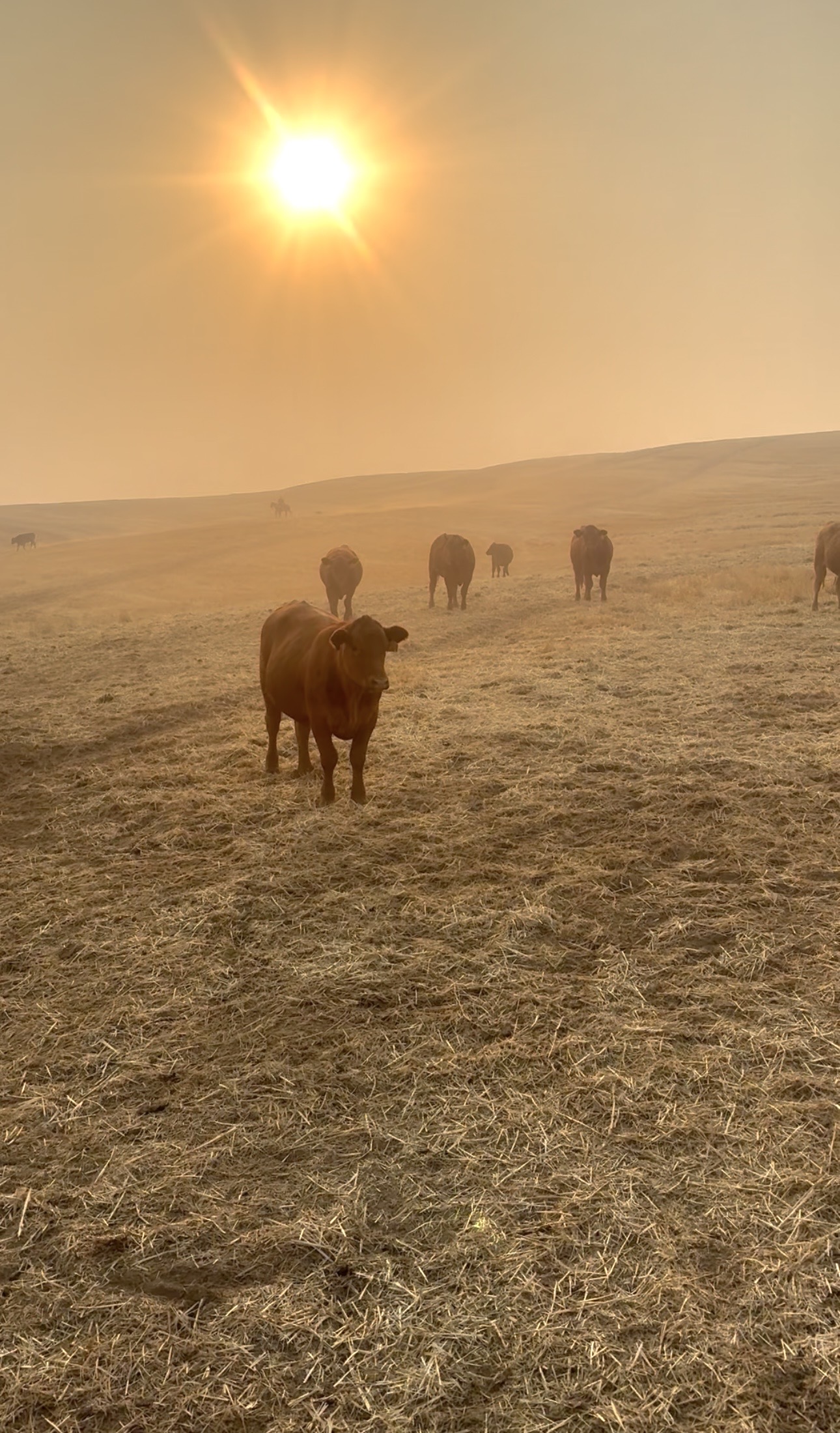
Improvement is measured rather than asserted. The indicators are total forage compared with prior years, root depth, water quality, and whether the herd holds condition on less purchased feed.
These practices carry cost and delayed return. Reseeding a slope takes roughly a decade before the result can be evaluated. Resting a pasture forfeits a grazing season to recover several later. Results appear long after the decision is made.
Century Cattle Co. did not establish this ground and will not be the last to manage it. The objective is to hand it on in better condition than it was received.